

Preparing your child for camp is more than packing a bag: it’s about helping your child feel confident, capable, and ready to be part of a community. Use this checklist as a conversation guide as you prepare for the summer together.


1. Talk About What Camp Will Be Like
Help your child understand what to expect day-to-day.Discuss the camp schedule, activities, and routines. If sample schedules are available, review them with your camper to help them better understand the structure of the day. Talk to them about being part of a group and trying new things, and reassure them that it’s okay to feel excited and nervous.
Tip for families: Ask open-ended questions like, “What are you most excited about?” or “What feels a little tricky?”
2. Practice Independence at Home
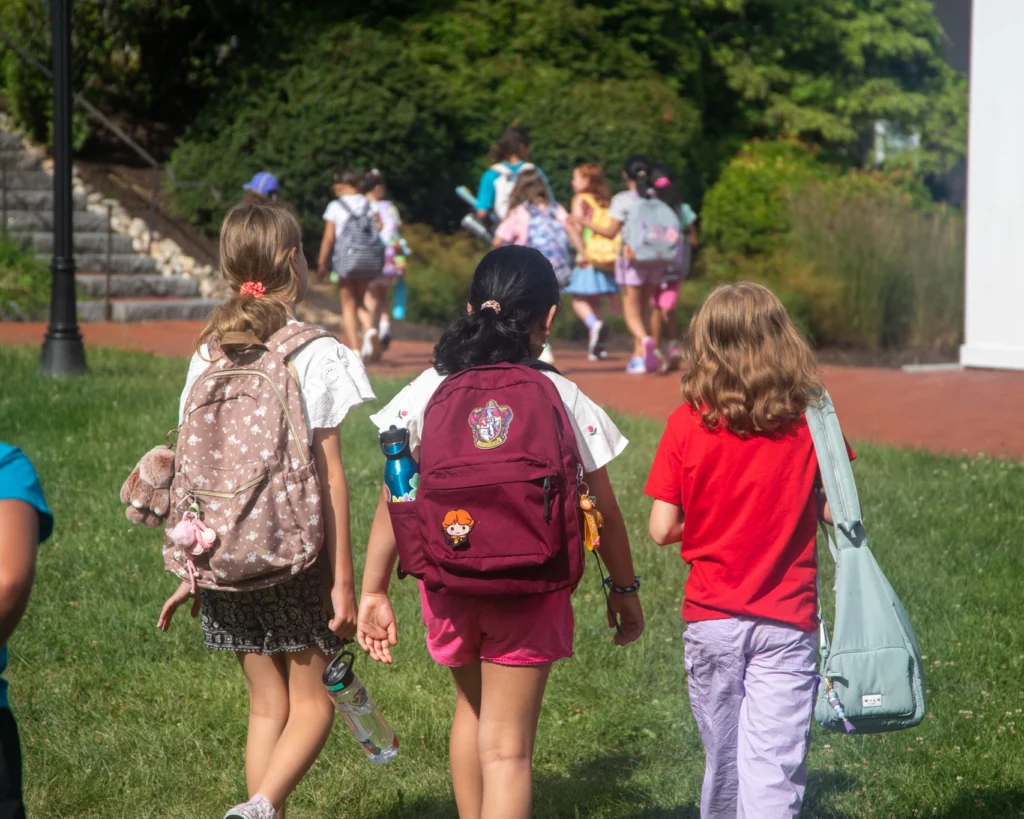
Camp is a chance for kids to build confidence by doing things on their own. You can help them prepare for that by working on certain skills, like managing personal belongings (backpack, lunch, water bottle) and choosing and eating foods that leave their body feeling good and energized for the rest of the day.
Practicing personal hygiene (handwashing, using the restroom independently, changing clothes, brushing teeth) is also important for campers, whether they are younger day campers or older overnight campers. And for boarding campers, routines like bedtime, waking up, and packing/unpacking independently are good to practice.
3. Review Community Expectations
Camp works best when everyone helps create a safe and welcoming environment. This includes using kind and respectful language, following instructions from staff, taking turns, sharing space, and cooperating with peers.
Working with your camper to help them understand the camp rules helps keep everyone safe and creates a more enjoyable experience for all campers.
Tip for families: You might ask: “What does being respectful look like when we’re in a group?”
4. Talk About Health, Safety, And Self-Care
Help your child understand how to take care of themselves at camp. Remind them that it’s important to drink water regularly and eat healthy meals and snacks. Talk to them about listening to directions, using equipment safely and following health guidelines. And when something doesn’t feel right, let them know that it’s always okay to talk to an adult.

5. Check In About Emotions And Problem-Solving
Camp includes a lot of new experiences, and in turn, a range of feelings; learning how to manage them is part of the experience. Talk about what to do if they feel frustrated, overwhelmed, or homesick, and practice using words to ask for help or express needs, and reinforce that the staff are always available to support them.
Tip for families: Let your child know that asking for help is a strength! Create a plan for tricky moments and write it out on a card that they can keep with them throughout the day.
6. Practice Being Away From Home
For overnight campers, preparing for time away can help ease the transition. Try short practice stays away from home with sleepovers with family or friends, and reinforce confidence in their ability to care for themselves in a group setting. Talk honestly about what they might miss and what might help them through bouts of homesickness.

7. Share Important Information With Camp Staff
Families are our partners in creating a successful camp experience. Communicate any medical, emotional, or developmental needs during registration. Share strategies that work well for your child, and reach out with questions or concerns before camp begins.
Tip for families: We know that families are the experts on their kids! In the weeks leading up to camp, we encourage you to reach out to us to share more about your camper and how we can make their experience the best it can be.
8. End With Encouragement
Remind your child that camp is a place to learn, grow, and belong… and that they are AMAZING!
Celebrate their readiness and effort, and emphasize that camp is about learning, not being perfect. Above all, let them know you’re proud of them for trying something new!